
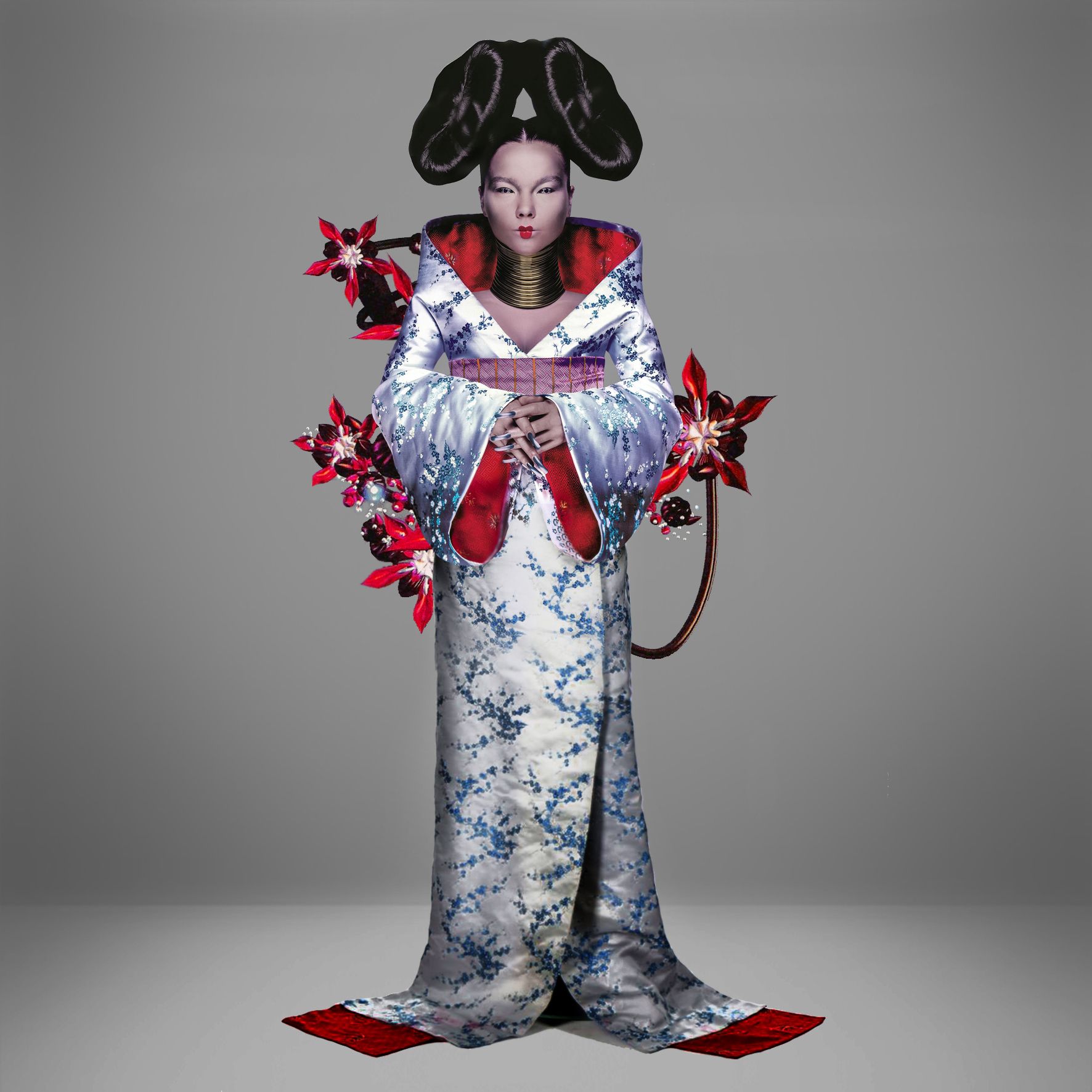
 There was a moment in “The Marvels” when I thought: While casting the 2011 “Thor,” someone should have pondered why Björk Guðmundsdóttir looks East Asian. That would have changed what is now a very obvious diversity problem in the MCU.
“Thor” is one of the Nordic gods that the Vikings believed in and the Vikings rubbed shoulders with people who looked East Asian. It’s too bad the MCU doesn’t better reflect that.
Sure the MCU had the man-of-few-words Hogun played by Japanese actor Tadanobu Asano. At the time, the question was why make Heimdall Black like Idris Elba, but perhaps it should have been: Why make Heimdall Black instead of black like Chow Yun-fat? There’s fuzzy logic attached to making a Viking sub-Saharan African Black.
Idris Elba revealed his ignorance about Asians when he famously commented about his casting in “Thor.” “We have a man who has a flying hammer and wears horns on his head. And yet me being an actor of African descent playing a Norse god is unbelievable? I mean, Cleopatra was played by Elizabeth Taylor, and Gandhi was played by Ben Kingsley.”
Kingsley is of Indian Gujarati descent through his father and was born Krishna Pandit Bhanji. His father was born in Zanzibar. Mahatma Gandhi was also from Gujarat and did live for a while in Africa (South Africa). Gandhi was from a Hindu family; Kingsley’s father was Muslim (Isma’ili Islam). (Taylor played Cleopatra, who was Greek, in 1963). The film “Gandhi” was in 1982. “Thor” was in 2011, that 48 years (“Cleopatra) and 29 years (“Gandhi”) of cultural change dismissed in one statement.
But I’m not talking about Asians that look like Ben Kingsley or Gandhi. I’m talking about Asians that look like East Asians and the features East Asians share with Native Americans, Inuit, the Sami and the Samoyeds.
- Were There Ever Black Vikings?
- Where There Black Vikings? Myth vs. Reality
- Ancient DNA Reveals a Genetic History of the Viking Age
- Population Genomics of the Viking World
- ‘Viking’ Was a Job Description, Not a Matter of Heredity, Massive Ancient DNA Study Shows
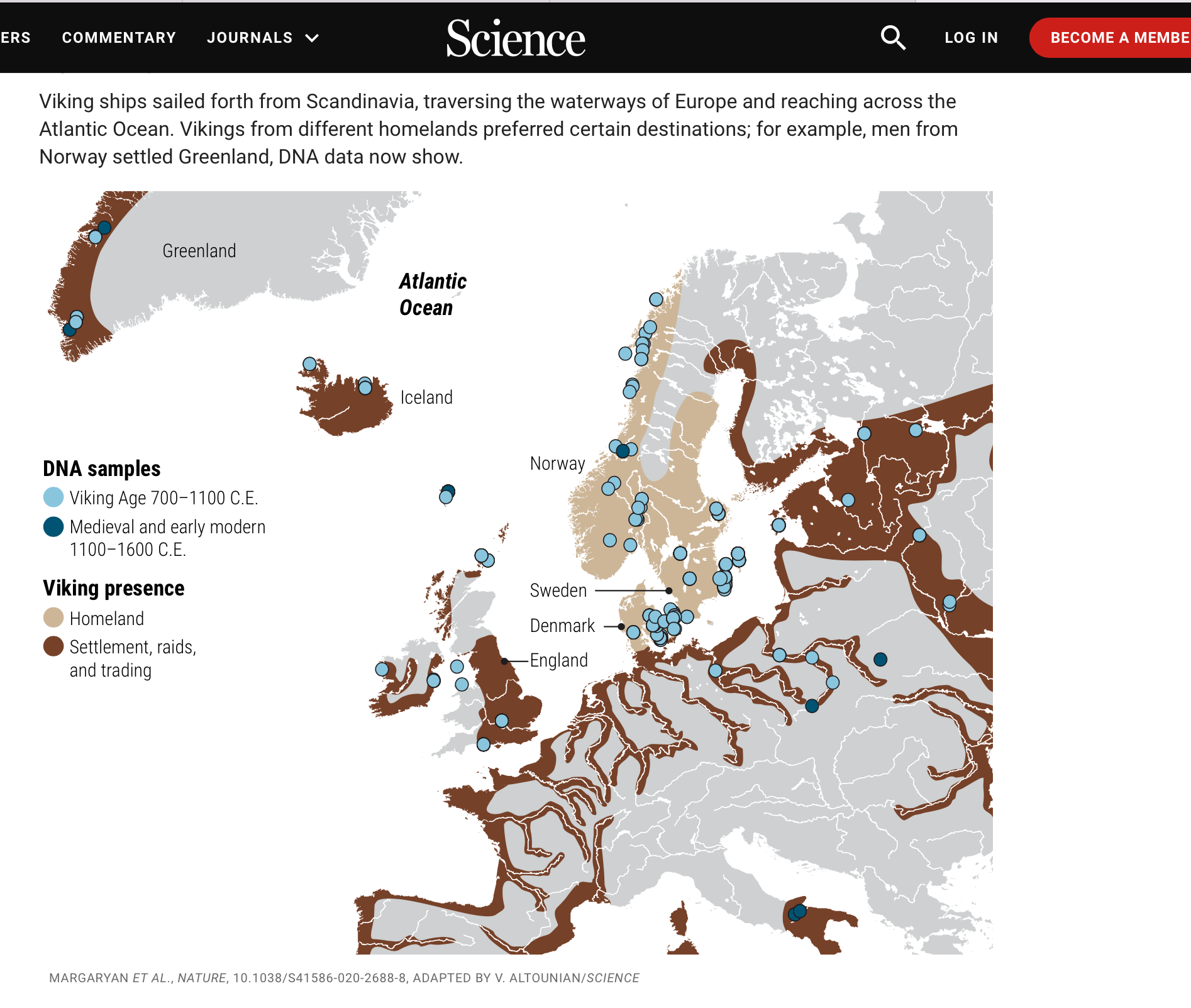
While the “Science” article does discuss “black-haired,” the article states: “Viking Age Scandinavians were more likely to have black hair than people living there today. ” Further the article notes, “And several individuals in Norway were buried as Vikings, but their genes identified them as Saami, an Indigenous group genetically closer to East Asians and Siberians than to Europeans.”
 Björk starred in Lars von Trier’s film “Dancer in the Dark” and won the Best Actress Award at the 2000 Cannes Film Festival. Her song “I’ve Seen It All” was nominated for Best Original Song at the Academy Awards. In 2011, she wasn’t an unknown, particularly after she appeared in the infamous swan dress and laid an egg for the photographers. She has been parodied on TV shows like “Leverage.” Björk is from Iceland, a place that we know the Vikings lived.
-
The genetic history of Scandinavia from the Roman Iron Age to the present
-
Genetic origin of the Swedish Sami inferred from HLA class I and class II allele frequencies
If the people responsible for the casting of “Thor” remembered history lessons, they would have recalled that Viking Leif Erikson (or Eriksson) was credited as “the first European to explore what is now eastern Canada, from the Arctic to New Brunswick.” He was born in Iceland and died in Greenland. When he was in Canada, there were people there and while the landscape of Canada is often white, the human demographics at the time were not predominately White.
There is evidence that the Inuit and the Vikings were in contact.
-
Reverse Colonization: How the Inuit Conquered Greenland and Vanquished the Vikings
- Ancient History, History and Modern Times (Greenland)
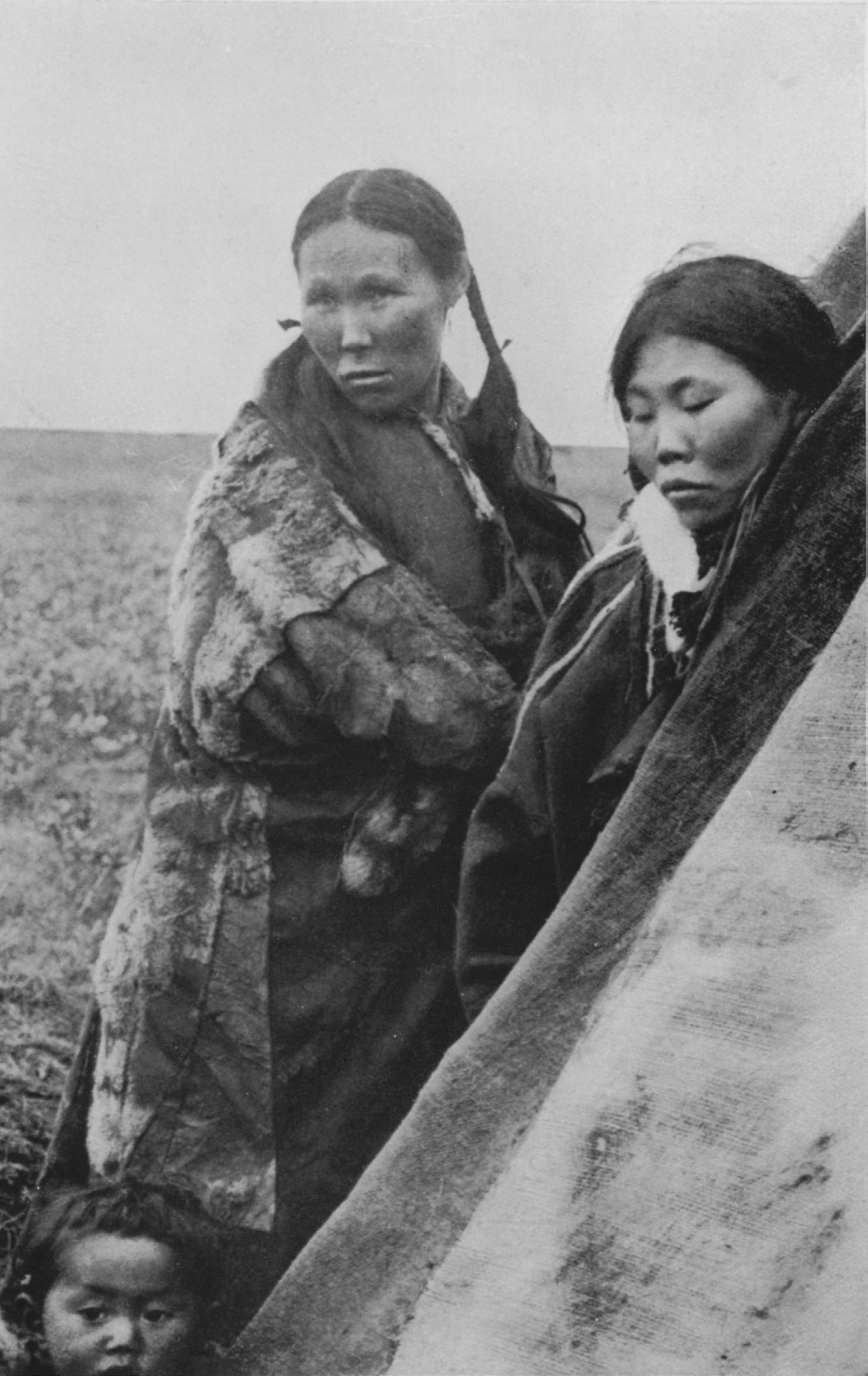
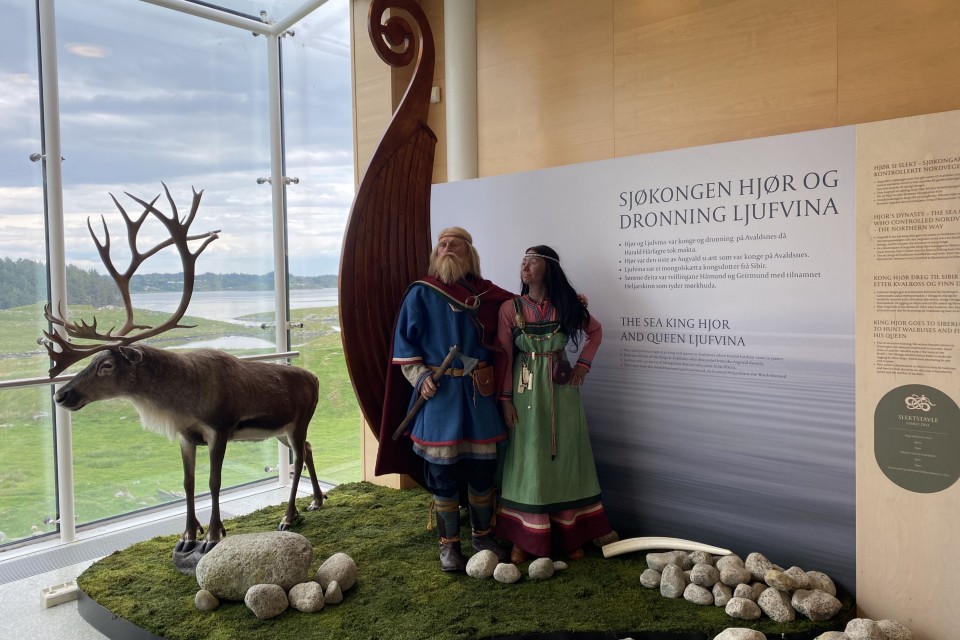
If the Vikings reached North America, what about the other direction? And one website claims that the wife of one Norwegian king (Hjor) was “a princess of Mongolian descent and despite her dark skin and unusual looks, she reigned as queen over the Norsemen at Karmsundet.” The website mentions the Sikhirtya tribe, an indigenous population of Siberia, were the black-faced Samoyeds. And that is not sub-Saharan Black. That is black like me, like East Asian black or Inuit black. The website uses photos to illustrate this.
If when casting, the production team of Thor had thought of these things, then instead of making Heimdall Black as in sub-Saharan Black, or making Valkyrie, the superhero Afro-Latina Tessa Thompson, they might have made her East Asian, Inuit or Sami.
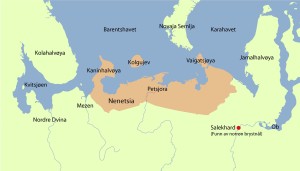
The website that discusses Hjor and the princess of Mongolian descent, explains the geography using this map. Compare that to the map above.
So when Thompson as Valkyrie appears in “The Marvels,” we have:
- Strong Black woman: Monica Rambeau (Teyonah Harris)
- Strong Black alien woman villain: Dar-Benn (Zawa Ashton)
- Strong Black woman: Maria Rambeau (Lashana Lynch)
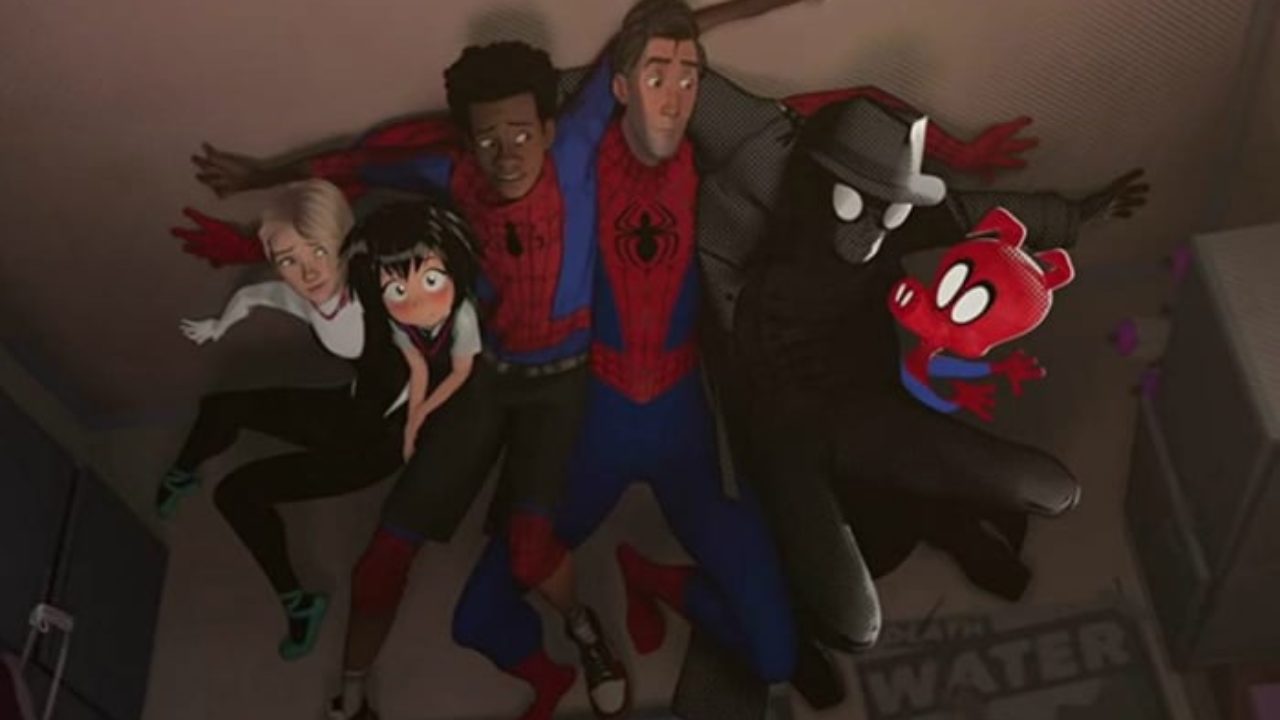
As Kamala Khan/Ms. Marvel, Pakistani Canadian Iman Vellani isn’t a strong figure. She is a mutant with a lot of teenaged angst and insecurities. She is certainly more confident than Peni Parker (the Japanese Spider-hero) whose main pose looks like she has to pee and Peni Parker is given very little to do in the second animated film, “Spider-man: Across the Spiderverse.” Vellani also cannot pass for East Asian. 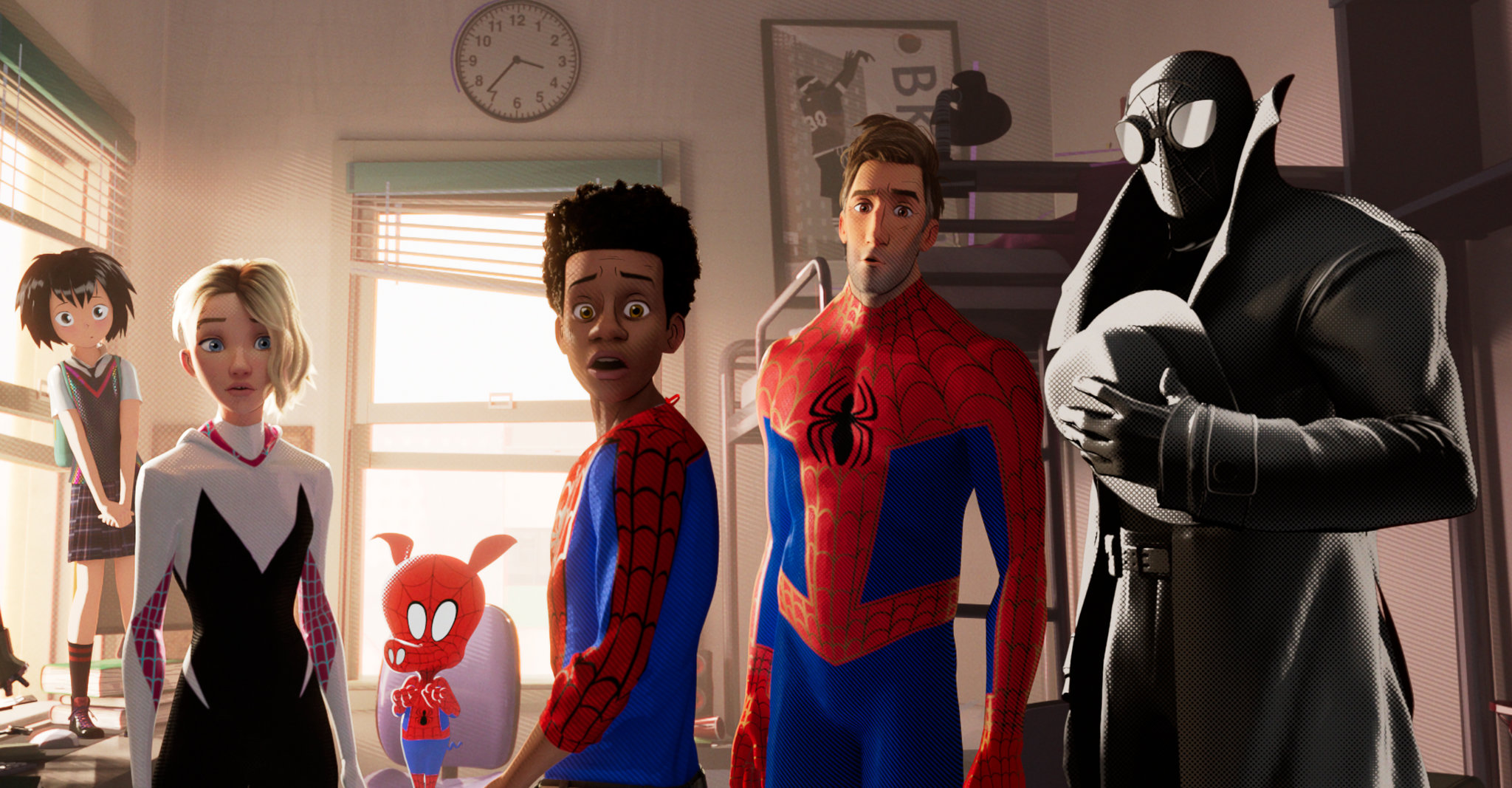
Gemma Chan’s Sersi in “Eternals” was at best, indecisive, at worst, wishy-washy. She was not the leader. She does become a hero, but she seems more a reluctant one. Further, the film decided to change the ethnicity of Gilgamesh, a historic serial rapist, to East Asian. The film seems to neuter him into the role of caretaker of Thena–not husband or lover, but caretaker. Instead of rapist Gilgamesh, we have Gunga Din domestic.
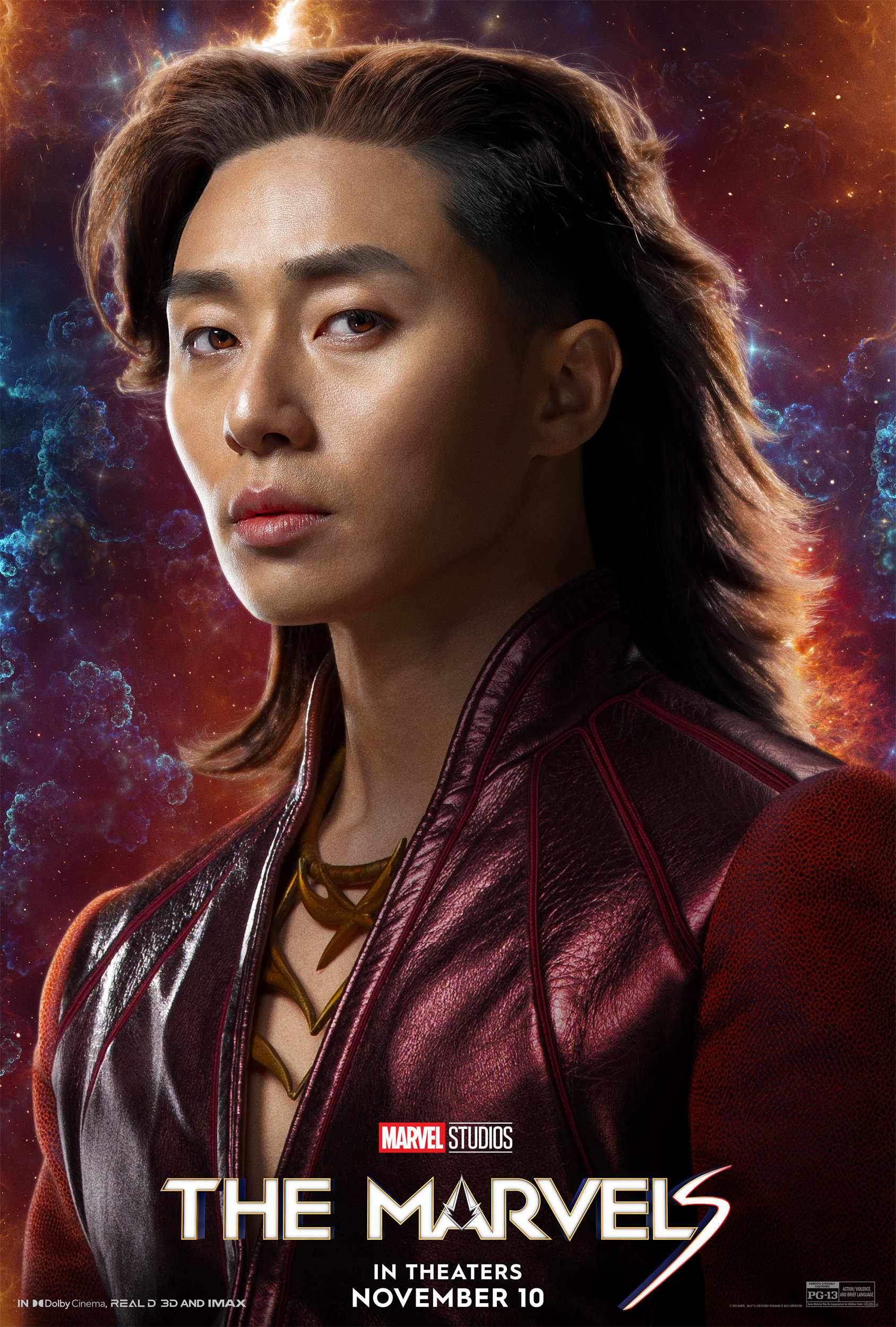
While we do have an East Asian actor playing Prince Yan, in the trailers, if you blinked, you’d miss him. The film doesn’t even tell us the fate of him and his world. Perhaps he will become something more in the future installments of the MCU.
The TV program “Agents of SHIELD” does have strong female characters of East Asian descent with Ming-Na Wen’s Melinda May and Chloe Bennet’s Skye/Daisy Johnson/Quake, but they don’t appear in the feature films like Clark Gregg’s Phil Coulson or Samuel L. Jackson’s Nick Fury.
“Doctor Strange” could have had a strong East Asian female character and could have avoided the antiquated White supremacy angle if they had made the Ancient One a person of East or Southeast Asian and even dared to make Doctor Strange himself East Asian. Making the Ancient One a White woman just makes one wonder why the Ancient One and Doctor Strange are in Nepal instead of Scotland.
Imagine if Dustin Nguyen or Michelle Yeoh had been the Ancient One. Since the MCU Kamar-Taj scenes were filmed in Nepal (for the 2016 “Doctor Strange”), a Nepalese (or Tibetan) actor or performer could have been used (singer Sajjan Raj Vaidya or actress Daya Vaidya)
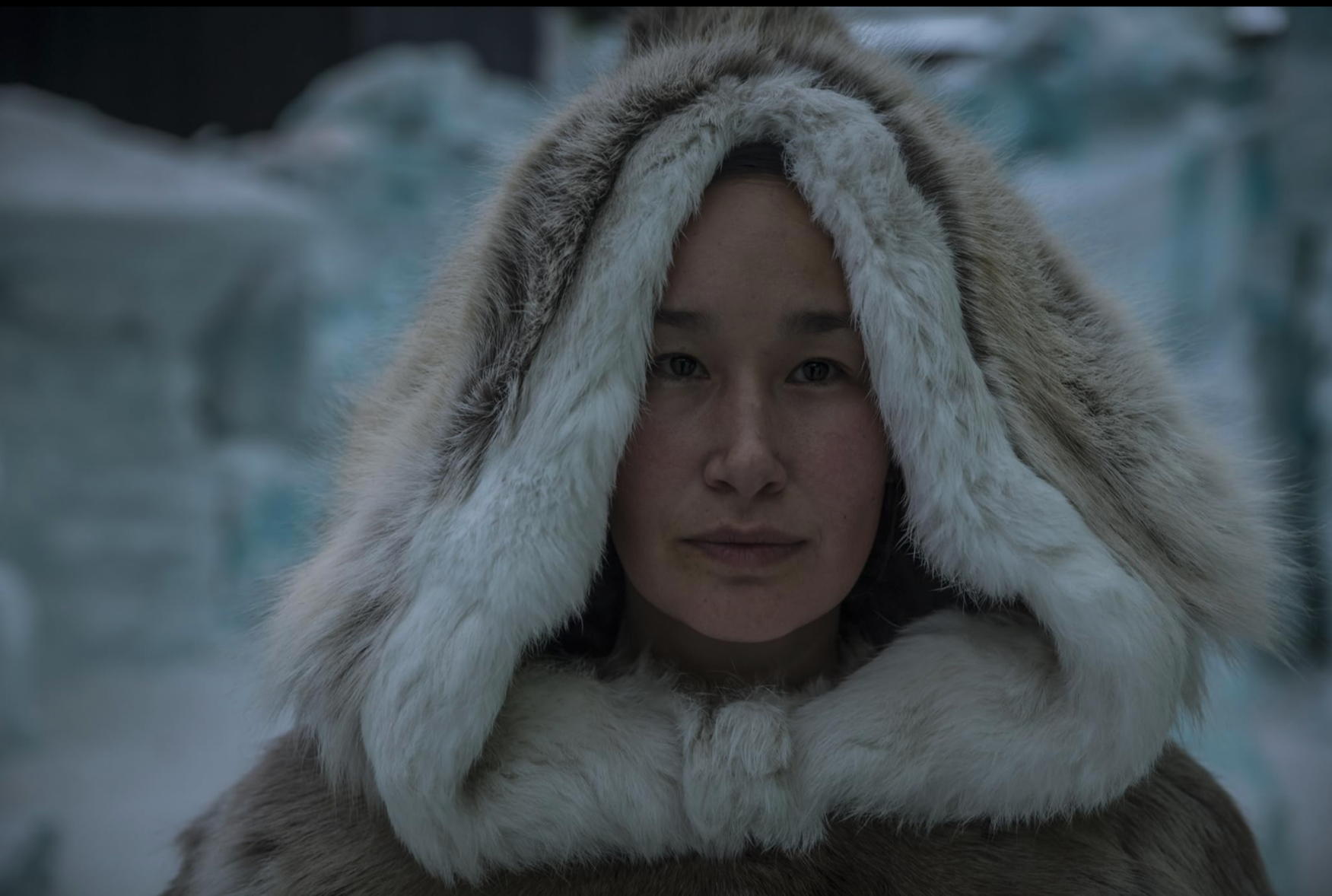
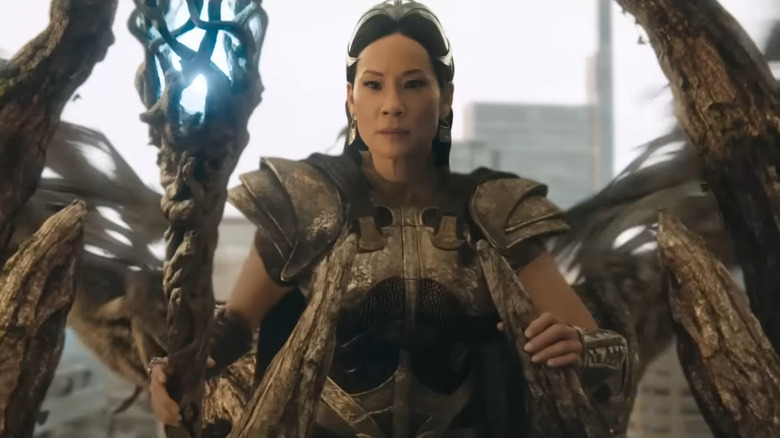
Imagine how different the MCU would look if more of the pivotal characters in Thor (or Doctor Strange) were East Asian, Southeast Asian or Inuit.
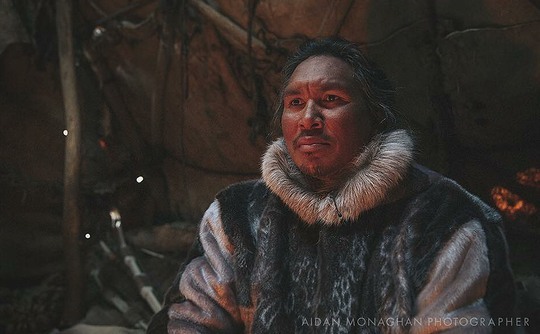
Imagine Chinese American Lisa Liu (“Shazam! Fury of the Gods”) or Japanese Yukari Ōshima (“Lethal Combat” and “Legendary Amazons”) as a Valkyrie. Imagine if an actor like Reneltta Arluk (of Inuvialuit, Dene and Cree descent) or Greenlandic singer-songwriter Nive Nielsen (“The New World” and “AMC The Terror”) was Valkyrie. Imagine Johnny Issaluk (“The Terror” and “The Misadventures of Romesh Ranganthan”) or Natar Ungalaaq (“Atanarjuat: The Fast Runner”) as Heimdall .
The first season of “Loki” began in East Asia (Mongolia), but didn’t include any notable East Asian characters. It did have two strong Black women: Wunmi Mosaic as Hunter B-15 and Gugu Mbatha-Raw as Ravonna Renslayer. If you’re thinking, what about the Filipino dude, Eugene Cordero as Casey the TVA receptionist, he’s certain AAPI, however, the Philippines (Southeast Asia) isn’t East Asia (China, Hong Kong, Mongolia, North Korea, South Korea and Taiwan). The addition of Ke Huy Quan as Ourosboros and the elevation of Cordero’s Casey to a more prominent role in the second season helps for representation of AAPI.
Just having strong East Asian characters in “Shang-Chi and the Legend of the Ten Rings” isn’t well-planned or logical diversity for the multi-phase MCU. Having Wong appear in outside of the “Doctor Strange” films (“Avengers: Infinity War,” “Avengers: Endgame,” “Shang-Chi and the Legend of the Ten Rings,” “Spider-Man: No Way Home” plus “She-hulk: Attorney at Law” on TV) as the East Asian diversity MVP shows how painfully limited the diversity casting of the MCU is. And again, this still doesn’t provide a strong female character with East Asian features. In the TVA which represents the world and not just the inhabitants of the Nordic myths, this is particularly problematic.
China in 2022 had, according to Pew Research Center, “the world’s largest population (1.426 billion), but India (1.417 billion) is expected to claim this title next year.”
More importantly for the depiction of the TVA:
The next five most populous nations – the United States, Indonesia, Pakistan, Nigeria and Brazil – together have fewer people than India or China. In fact, China’s population is greater than the entire population of Europe (744 million) or the Americas (1.04 billion) and roughly equivalent to that of all nations in Africa (1.427 billion).
But in addition to China, East Asia includes Mongolia (not part of the Pew Research Center’s estimation if you look at the map). According to the Worldometers, Mongolia (#133) is not in the top 10 most populous countries, but in the top 20 are Japan (#12). South Korea is number 29 (North Korea is #56 and Taiwan, #57).
Southeast Asia also has a substantial population with Indonesia at number four, behind the US and just before Pakistan. Philippines is number 13; Vietnam is number 16; Thailand is number 20; Myanmar, number 27; but Cambodia, 73; Malaysia, 46; Cambodia, 73; Laos, 103; Singapore, 114; Brunei, 176. For reference, Canada is 38 and the UK is 21.
According to the Worldometers.info, Eastern Asia is 20.66% of the total world population and that doesn’t include people like the Inuit, the Sami or people like Björk. But that’s not what we see in the MCU. And more specifically, we don’t see strong East Asian-looking women in “The Marvels” or “Loki.”
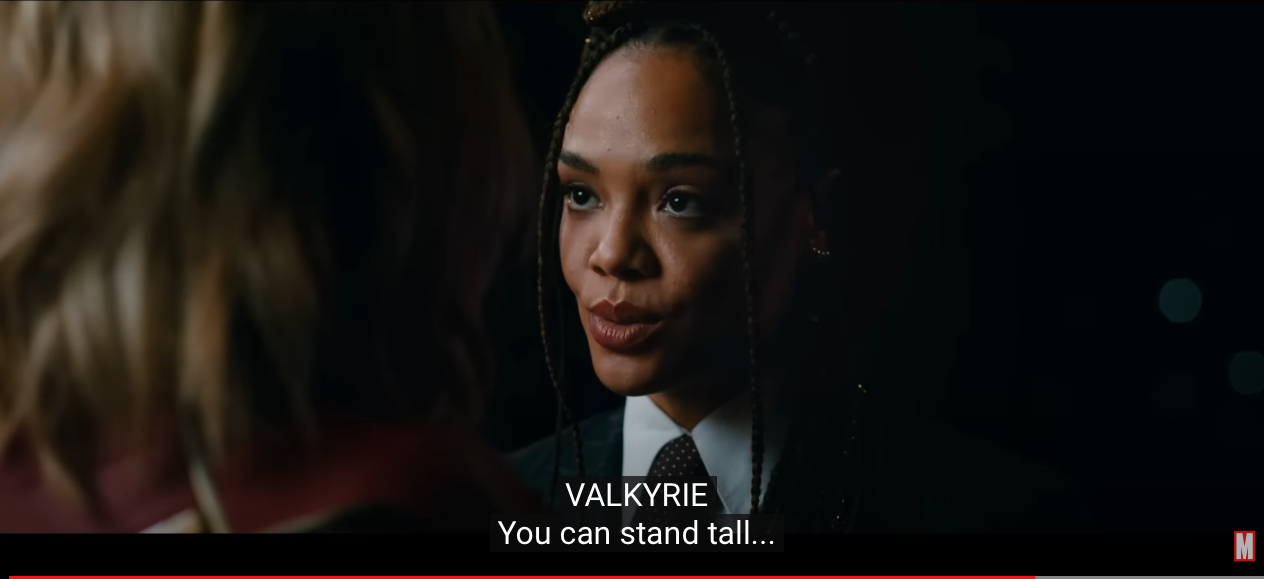
If the MCU had been planned and cast to better reflect the diversity of the world, then in that one scene with Valkyrie in “The Marvels,” would have given us a universe with a strong White woman (Captain Marvel/Carol Danvers), a strong Black women (Maria and Monica Rambeau) and a strong East Asian/Inuit/Native American woman standing before a girl of South Asian descent (Ms. Marval/Kamala Khan). That would have made the Peni Parker problem less damaging, but had a more inclusive and historically accurate diversity plan of the MCU been in place then the Peni Parker problem might not have existed. Peni Parker could have been depicted in the tradition of girl heroes of Japan or even women warriors like Tomoe Gozen.
The hubris of Black (subSaharan) African American pride and the abuse of their new found power is that they have allowed fuzzy logic to justify the supression of historical reality and the true diversity of the world. Fans of this kind of casting have joined the league of the oppressors and become oppressors themselves. You might only remember the Oscar Swan outfit, but still casting directors of “Thor” and any Viking epic should wonder why Björk looks East Asian.
 Age of the Geek