As an Asian Americans, “Star Trek” continues to disappoint. Racial diversity remains a Black and White issue in “Star Trek: Starfleet Academy,” even when the demographics would suggest otherwise. This new TV series follows the first new class at the Academy since the Burn, a cataclysmic event show in “Star Trek: Discovery” (2017-2024). Here cadets are being trained to be officers aboard the USS Athena, a starship that docks at the Starfleet Academy campus in San Francisco.
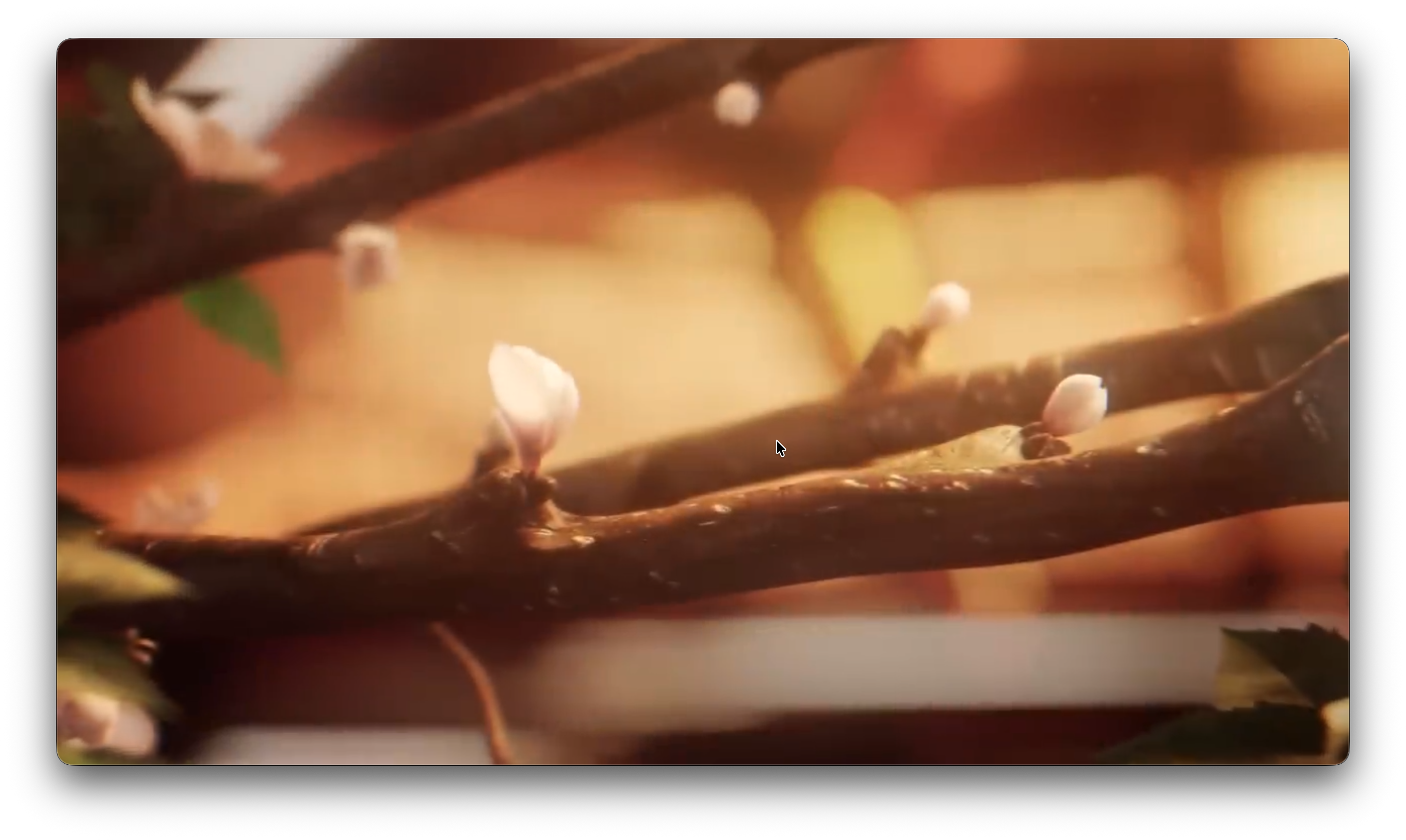
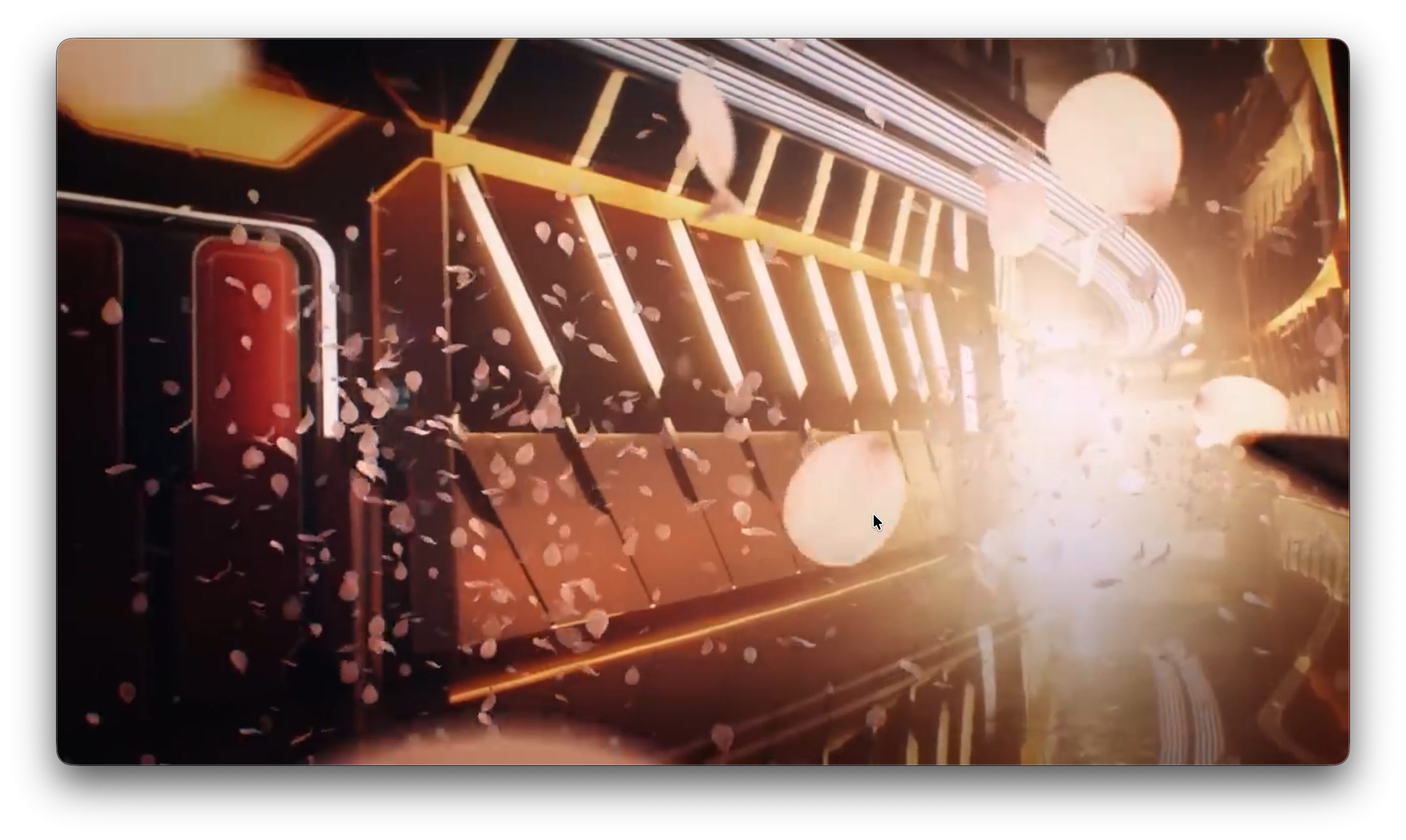
 The opening sequence of “Star Trek: Starfleet Academy” is supposed to suggest hope and a new beginning, but it comes off as a sloppy attempt to give a sense of place and is far worse in terms of cultural appropriation than the first few frames of the first episode of “The Lord of the Rings: The Rings of Power.”
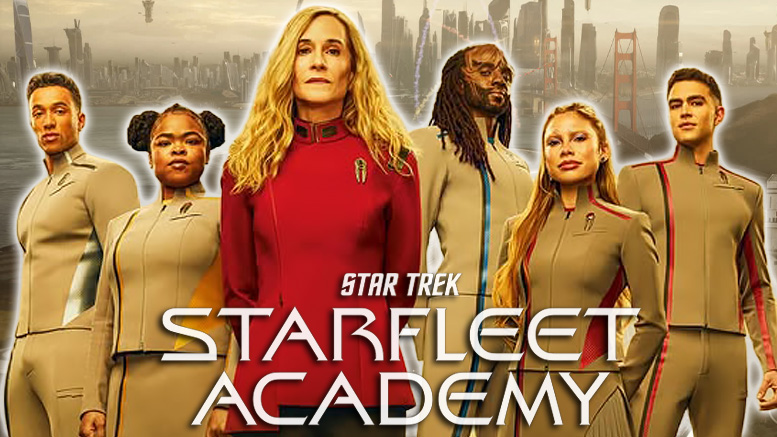
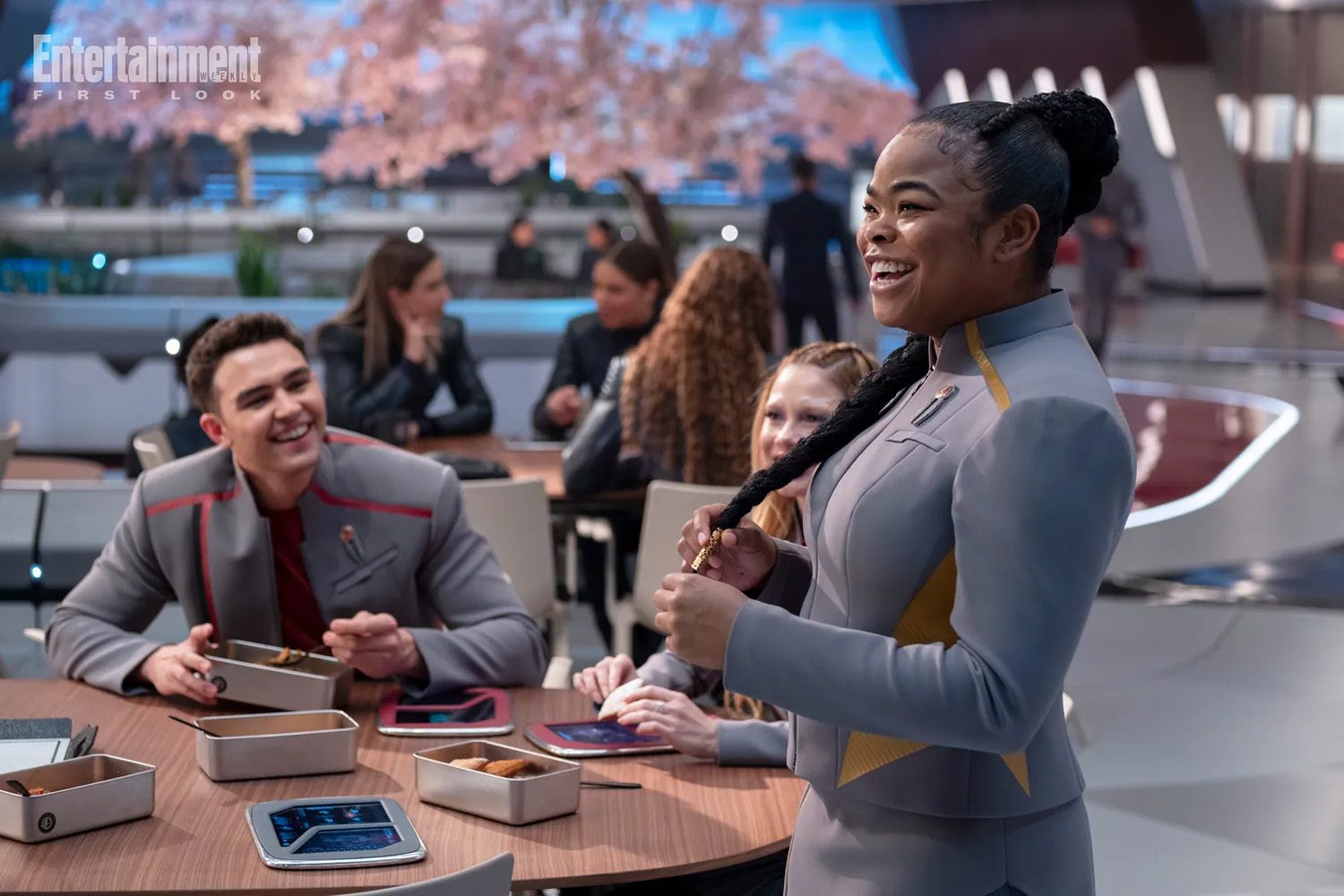
Although the casting of “Starfleet” provides diversity in terms of aliens and different body types and sexual preferences, the racial representation doesn’t reflect the demographics of our real world. While Holly Hunter is listed as the lead, but Black actor Sandro Rosta is the lead student that the action follows. We learn about Starfleet through his eyes so he, instead of Hunter’s captain is the POV character.
- Holly Hunter, Captain of USS Athena, Chancellor of Starfleet Academy
- Sandro Rosta, orphan with special relationship with the captain who is a cadet.
- Karim Diané, a Black Klingon cadet.
- Kerrice Brooks, a Black hologram cadet
- George Hawkins (Māori descent), a cadet
- Bella Shepard, a cadet
While Rosta’s character has a group of fellow cadet friends that includes one played by an actor of Pacific Islander descent, the two lead characters are Black (Rosta) and White (Hunter).
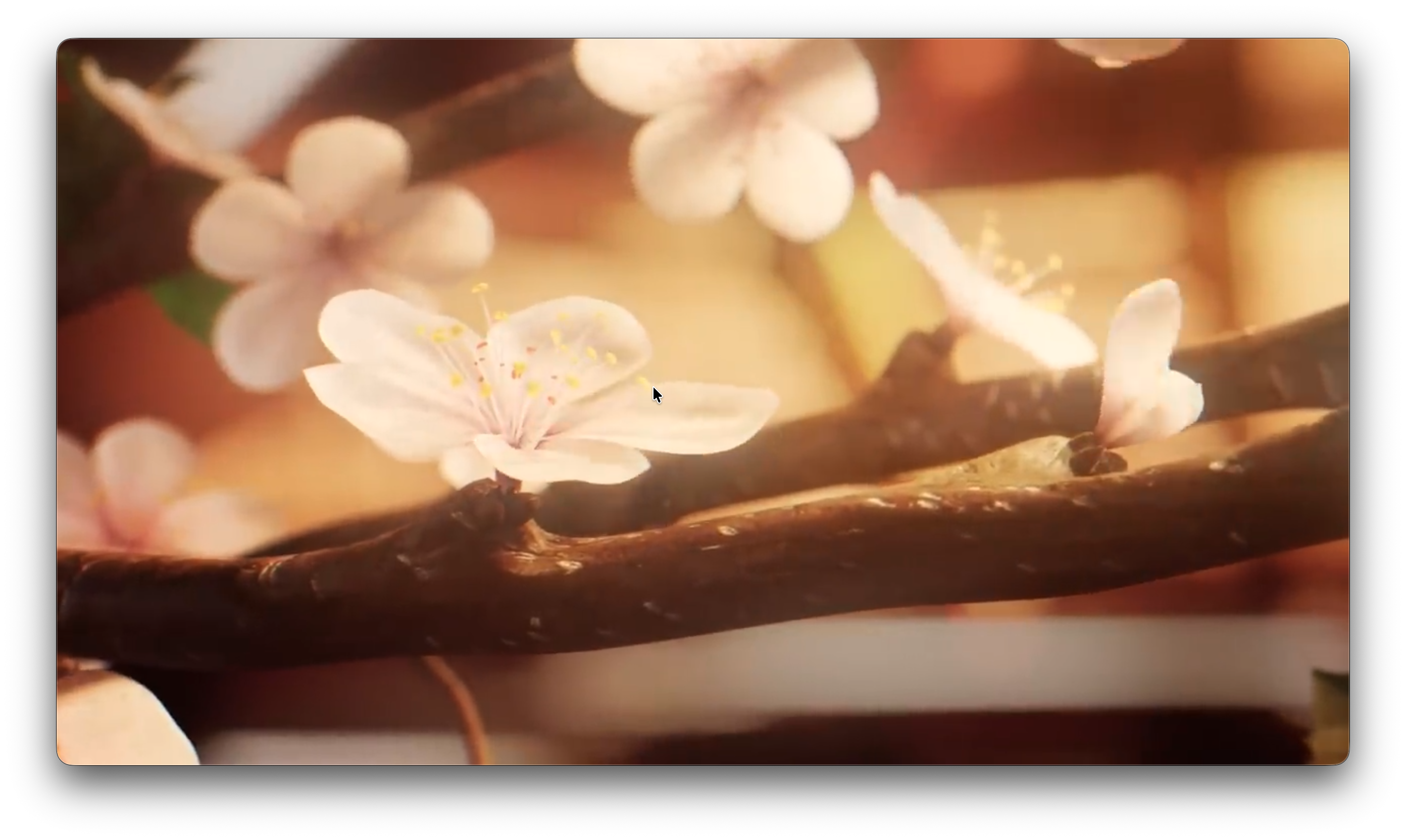
And for East Asians, this casting is particularly annoying because of the attempts to draw a visual relationship at least in the background. The opening sequence has a seed. What will that seed become? Apparently, it will become a cherry tree. That tracks with the San Francisco earth-base for the docked Starship and the academy it houses.
According to StashMedia.TV, Picturemill is responsible for the opening of “Starfleet Academy.” Picturemill is an LA-based titles specialist and they also did the opening for “Kpop Demon Hunters.” I have no problem with the opening sequence for the Netflix animation. For “Starfleet,” the opening is supposed to “set a grand and hopeful tone.” The opening is “a metaphor of these new cadets as the seeds of a new Federation, growing into the next generation of Starfleet officers.” The 3D team supposedly “referenced the tree on set as well as the growth stages of a sakura [cherry blossom] to accurately capture the sense of timelapse growth. Though this is a fantasy tree, growing in a building of the future, it is grounded in reality.” In reality, it is grounded on a trope and misinformation.
I understand the connection between San Francisco and Star Trek: “Star Trek IV: The Voyage Home.”
San Francisco has a lot of cherry trees, especially where you might expect them: Japantown and the Golden Gate Park’s Japanese Tea Garden. There are also trees in the Sunset District and the Presidio. Cherry trees are not ever-blooming. In San Francisco, the Northern California Cherry Blossom Festival is in mid-April. The blossoms appear between March and May. Like Japan, April is typically peak season. Common types are Kwanzan and Yoshino. While the blooming may take 2 to 3 weeks, the blossoms themselves only last several days before falling like pink snow on the ground.
There are essays online about those cherry trees and exactly what they signify. In Japan, cherry blossoms represent the impermanence of life, the brevity of our time on earth and the arrival of spring.
Hana wa sakuragi
Hito wa bushi
According to JAL, they represent the promise of new life, but also death.
Historically, they represented the brief, but colorful life of the samurai, warriors of feudal Japan. They lived by a strict moral code of respect, honor, and discipline — called bushido. Their duty was to exemplify and preserve these virtues and to be fearless warriors even in the face of death. Fallen cherry blossoms or petals symbolized the end of the samurai’s short lives.
During World War II, kamikaze pilots also marked their planes with sakura before embarking on suicide missions. These emblems symbolized dying “like beautiful falling cherry petals for the emperor.”
In Japanese folk religions, cherry blossom trees often signified agricultural reproduction. Originally, sa referred to a rice paddy god, and kura meant “a seat for a god.” Japanese people believed cherry blossoms were dwelling places for mountain deities who transformed into the gods of rice paddies. Hence, people would travel to the mountains to worship the trees every spring.
Watching the film “Bushido,” I was reminded that some US films and TV series uses sakura/cherry blossoms to represent place while Japanese films use it and others to represent the season, time and time passing.
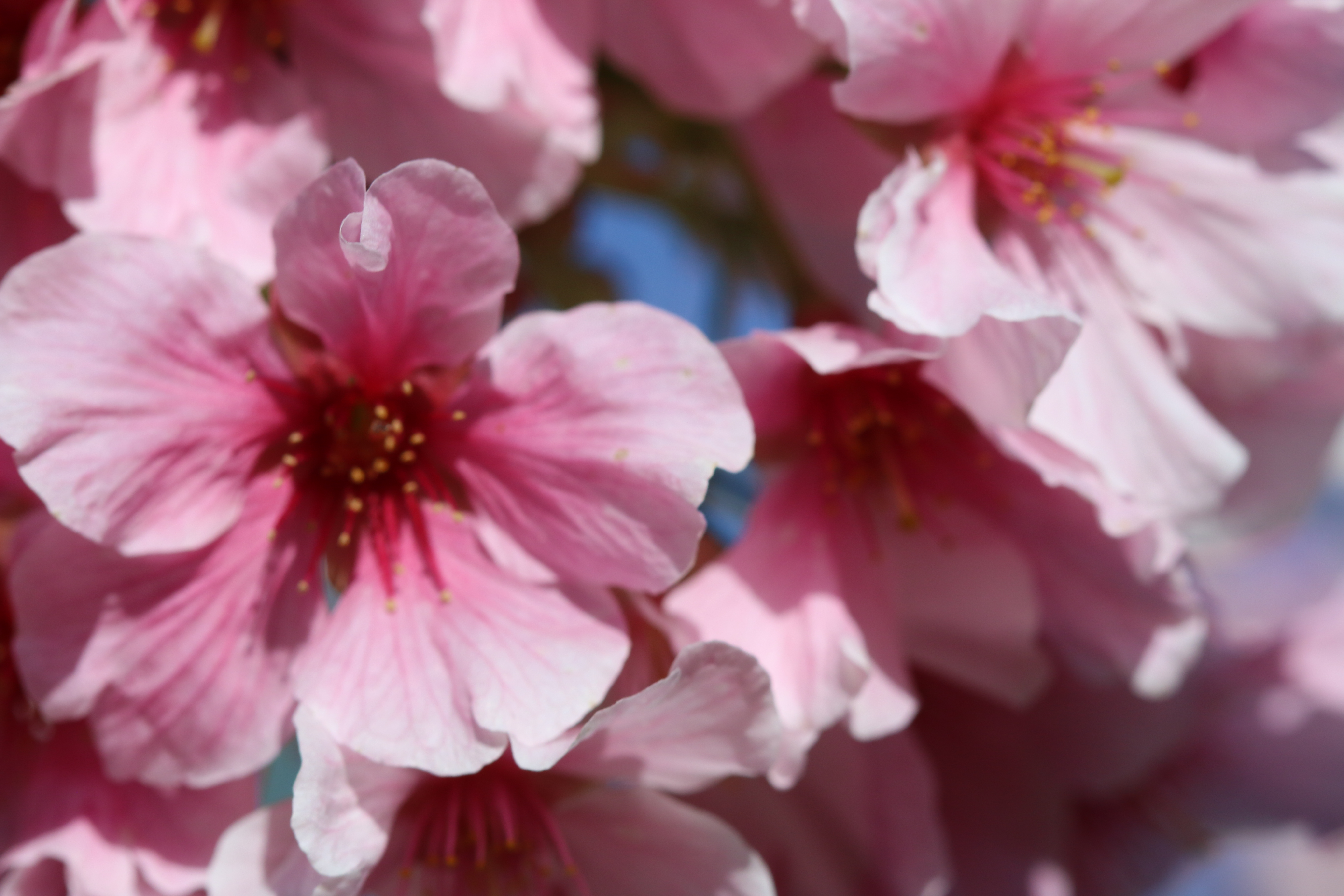
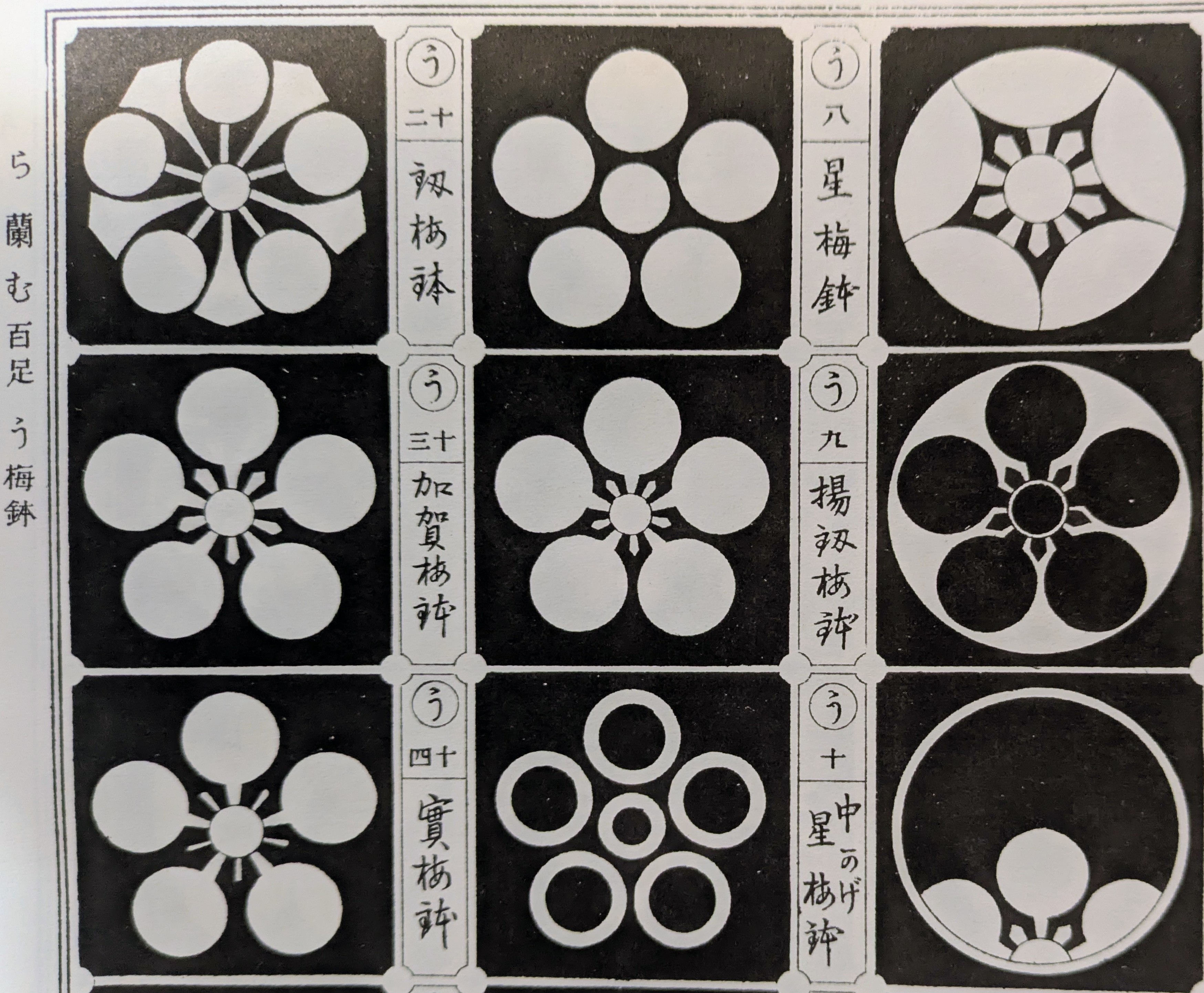
Do sakura/cherry blossoms aptly represent San Francisco might be the question, except the petals in the opening sequence are not cherry tree petals. They are Japanese plum blossoms and, yes, I noticed immediately. Plum blossoms (Prunus mume) can also be seen in San Francisco, but more likely in February. They are associated with bravery because they are one of the first blossoms seen at the end of winter. While the cherry blossom is associated with Japan, even though the chrysanthemum is associated with the imperial house as it is part of the imperial seal. That is the reason for the title of the 1946 book “The Chrysanthemum and the Sword” and the 1887 book “Madame Chrysanthème.”
Plum blossoms are the national flower of Taiwan. (The national flower of South Korea is the Hibiscus syriacus or Mugunghwa also known as the Rose of Sharon.) Traditionally in Japan, the plum blossom of one of the symbols of New Year’s (as the three friends of winter that include the pine and bamboo), and represent enduring beauty and vitality. They are associated with scholarly purists according to this Kyoto website.
Either way, there’s a strong relationship with East Asian culture and traditions in the opening sequence of “Star Trek: Starfleet Academy” and when Holly Hunter says “origami” (and chicken), while I thought of this sculpture, I was also thinking that Asia and East Asians are background players in a world where they should be more prominent for a variety of reasons.
Let’s look at the demographics as they are today. Currently, the world population has the Han-Chinese ethnic group at 17-18% of the world population. The Japanese are 1.5% to 1.85% of the world population. Both North and South Koreans are about 1% of the world population. Filipinos are about 1.4% of the world population. Vietnamese are 1.23% of the world population. Together, that makes 23.48% of the world population. I have not included Pacific Islanders and other East Asian and Southeast Asian cultures but still that’s almost a quarter of the world population.
And yet, that’s not all of Asia. Asian Indians are from 17.5% to 18.3% of the world population. India is the most populous nation. Pakistan is 3.1% of the world population. So that makes 21% of the world population.
On a smaller scale, the US racial demographics are:
- 74.8% White Alone
- 13.7% Black/African American
- 1.4% Native American, including Alaskan
- 6.7% Asian Alone
- 0.3% Native Hawaiian and other Pacific Islander Alone
- 20% Hispanic/Latino
This differs from the racial demographics of California.
- 40% Hispanic/Latino
- 34% White (non-Latino)
- 16% Asian/Pacific Islander
- 6% Black/African American
Notice the greater prominence of Latino/Hispanic at double the national rate and Asian American/Pacific Islander is more than double the national average.
The demographics of San Francisco further increases the prominence of Asian Americans.
- 34-37% Asian American
- 40% White (non-Hispanic)
- 16% (Hispanic/Latino)
- 5% Black/African American
Of the Asian Americans, the Chinese American population is about 22% of the city’s residents and form the largest Asian subgroup. These include people from Guangdong and Hong Kong as well as recent waves of people from Taiwan and Southeast Asia. Chinese Americans are over 1/5 of San Francisco’s population. New York City has a larger Chinese American population, but they comprise only 7% of the city’s population.
In Northern California, San Francisco is not alone. San Jose is 42% Asian American. The capital city of California, Sacramento, is at 23%.
“Starfleet Academy” is not filmed in San Francisco, but in Toronto at Pinewood Toronto Studios. The demographics of Toronto (2016) show 47% foreign-born.
- 50.1% White
- 12.7% East Asian (10.8% Chinese, 1.4% Korean and 0.5% Japanese)
- 12.3% South Asian
- 8.5% Black
- 7% Southeast Asian (5.1% Filipino)
- 2.8% Latin American
- 2.0% West Asian
- 1.1% Arab
- 0.7% Aboriginal
The most common ancestry groups are English (12.9%), Chinese (12.0%), Canadian (11.3%), Irish (9.7%), Scottish (9.5%), East Indian (7.6%), Italian (6.9%), Filipino (5.5%), German (4.6%, French (4.5% and Polish (3.8%).
At the US Military Academy, looking at the total enrollment of 4,508 students in 2023, both undergraduate and graduate, 62.2% is White, 10.9% is Asian, 10.9% is Hispanic or Latino and 10.5% is Black or African American according to DataUSA.
The enrolled student population at United States Military Academy (197036), both undergraduate and graduate, is 62.2% White, 10.9% Asian, 10.9% Hispanic or Latino, 10.5% Black or African American, 1.35% Two or More Races, 0.821% American Indian or Alaska Native, and 0.688% Native Hawaiian or Other Pacific Islanders.
Students enrolled at United States Military Academy (197036) in full-time Undergraduate programs are most commonly White Male (48.6%), followed by White Female (13.1%) and Hispanic or Latino Male (8.75%).
CollegeFactual.com gives these statistics for West Point for faculty.
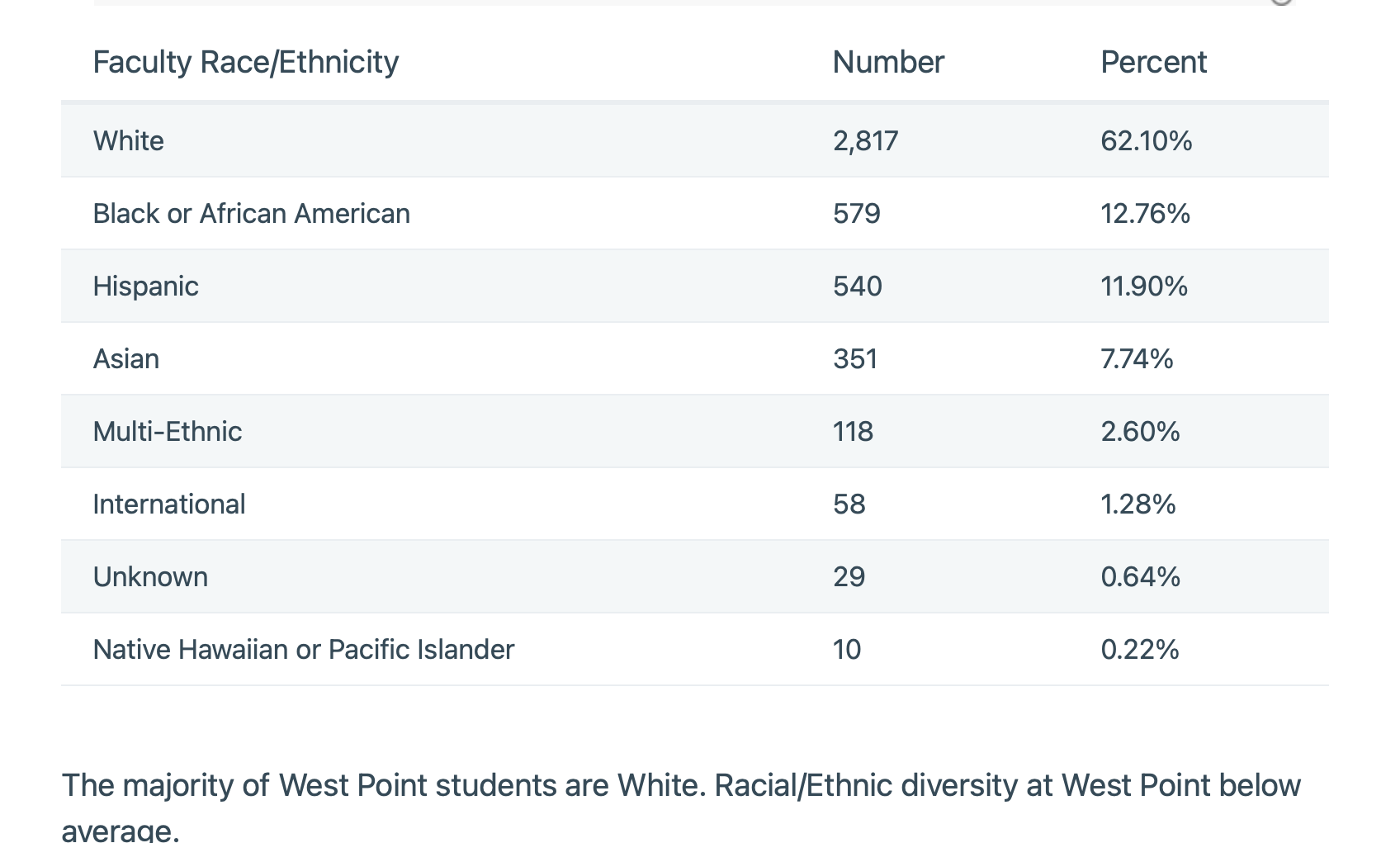
Note that West Point’s student body is considered below average in terms of diversity.
However, the US STEM workforce is predominately White and Asian. There is, according to the Pew Research Center, significant underrepresentation of Black and Hispanic/Latino workers.
- 64-67% White
- 15% Hispanic/Latino which is underrepresented compared to their share of the total US population.
- 10-13% Asian which is overrepresented compared to their proportion of the general workforce.
- 9% Black/African American which is underrepresentation compared to their share of the total workforce.
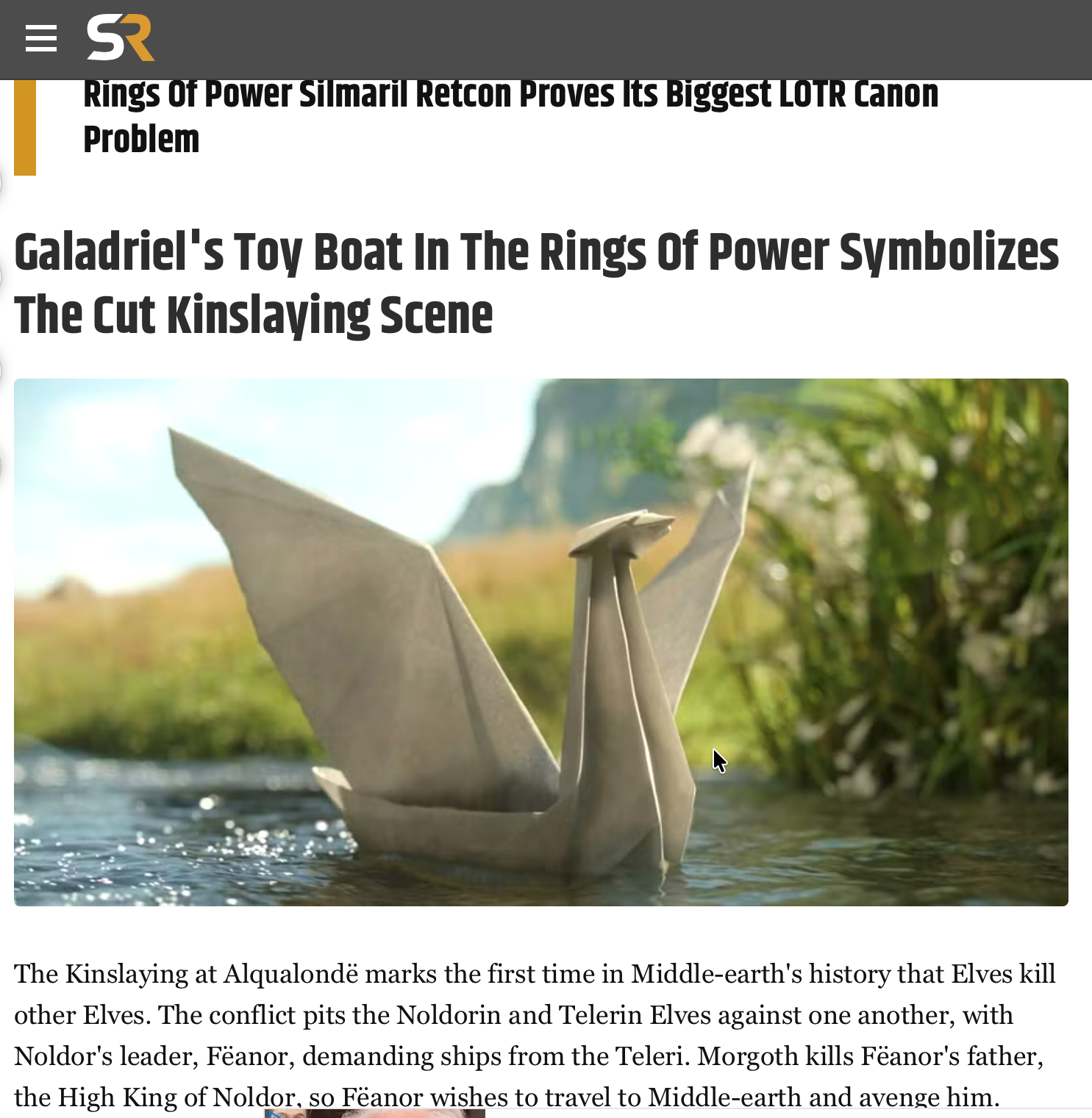
When discussing the opening of “Starfleet” with my husband, he reminded me that the origami sequence from “The Rings of Power” was only in one episode. Despite the cultural appropriation of both paper (created by the Chinese) and origami (associated with Japanese culture), there was in the first season, no major character that offered representation of people of East Asian descent as part of the diversity of the fictional milieu. That’s even when we understand that the author, JRR Tolkien was heavily influenced in his illustrations by Japanese culture or at least Japonisme. The diversity in prominent characters of that show were Black.
“Our world has never been all white, fantasy has never been all white, Middle-earth is not all white, Black people, Indigenous people and people of color “belong in Middle-earth and they are here to stay.”
And yet, despite the use of that origami, none of the prominent characters are of East Asian descent.
“Starfleet” is also set in a fictional world, but one that includes real references to Earth and the world as we know it. It is about science and tech and the military and set in San Francisco. With all this, why in 2026, has the representation of people of East Asian descent fallen in Star Trek? That’s even with the popularity of George Takei as the “Oh my” guy who took a musical to Broadway.
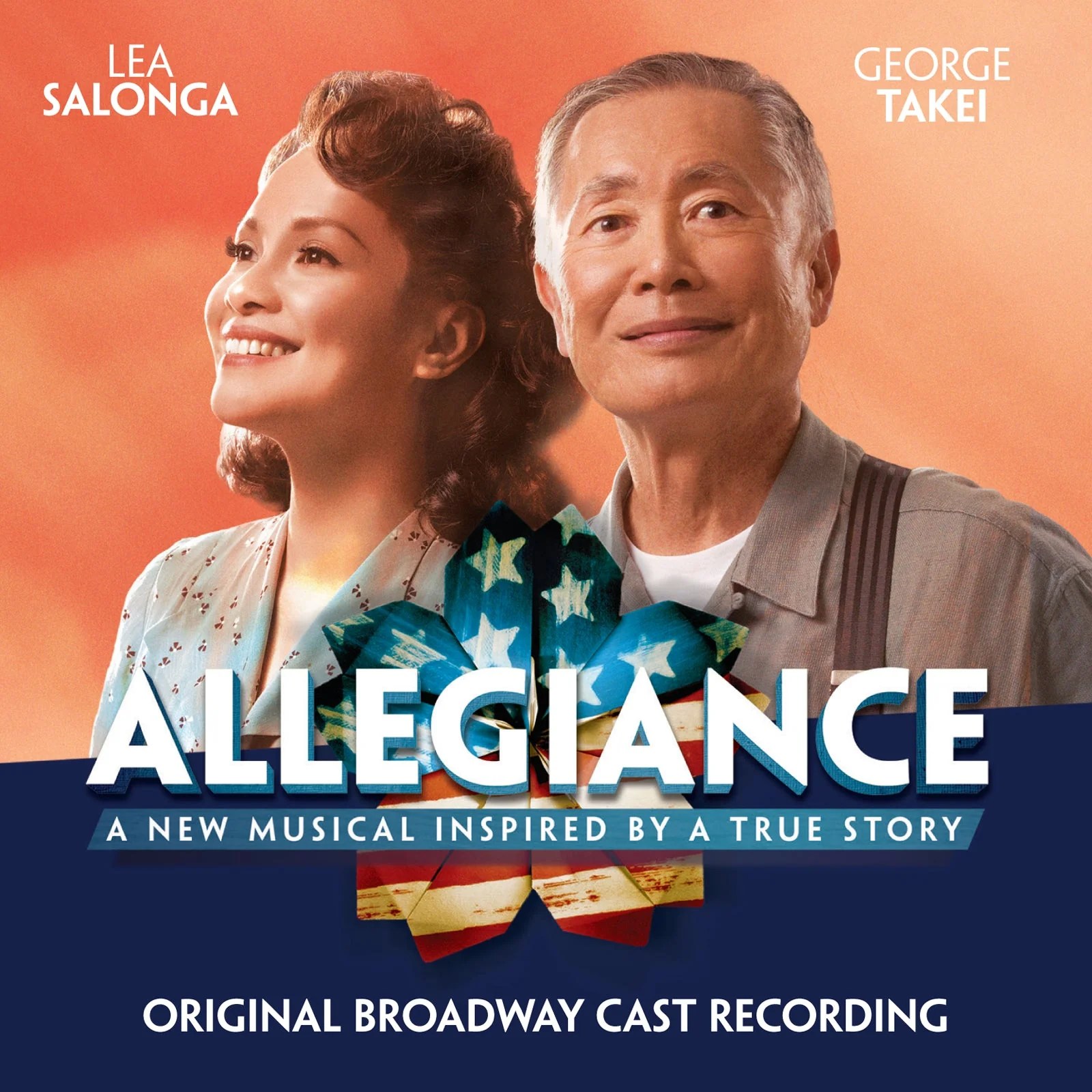
Star Trek began with a White male lead (William Shatner), but there was that almost Fu Manchu-ish Vulcan (Leonard Nimoy) as well as a secondary character, Hikaru Sulu (George Takei). Sulu was included in the animated series. “The Next Generation” also had a White male lead (Patrick Stewart). There was a Black principal (LeVar Burton as Geordi La Forge) and Michael Dorn (as Worf). Rosalind Chao was a recurring character. Chao’s character, Keiko O’Brien, was also a supporting cast member on “Deep Space Nine.” Dorn would also later transfer to DS9, but as a principal.
“Voyager” had a White woman as the lead, Kate Mulgrew, but Garrett Wang played Harry Kim, a Starfleet officer. “Discovery” had a Black woman lead, Sonequa Martin-Green stars as Michael Burnham. “Picard” again had a White male lead, but featured British Filipino (her father’s side) Isa Briones and Evan Evagora (Maori descent) in Seasons 1-2.
The animated series “Lower Decks,” had a lead Black female character, but includes Filipino Eugene Cordero as one of the principal cast members. The cast also has Dawnn Lewis (African American and Guyanese descent) as the captain of the Cerritos. Brett Gray was the lead character in “Prodigy.” He is Black/African American. “Strange New Worlds” lead actor is Anson Mount. British Chinese hapa Christina Chong plays the chief of security.
- “Star Trek”: White Male Lead (William Shatner, 33), 1966-1969
- “The Next Generation”: White Male Lead (Patrick Stewart, 47), 1987-1994
- “Deep Space Nine”: Black Male Lead (Avery Brooks, 45), 1993-1999
- “Voyager”: White Female Lead ( Kate Mulgrew, 40), 1995-2001
- “Enterprise”: White Male Lead (Scott Bakula, 47 ), 2001-2005
- “Discovery”: Black Female Lead (Sonequa Martin-Green, 32) 2017-2024
- “Picard”: White Male Lead (Patrick Stewart, 80), 2020-2023
- “Lower Decks”: Black Female Lead (Tawny Newsome, 37), 2020-2024
- Prodigy”: Black Male Lead (Brett Gray, 25), 2021-2024
- “Strange New Worlds”: White Male Lead (Anson Mount, 49), 2022-present
- “Starfleet Academy”: White Female Lead (Holly Hunter, 68), 2026-present. POV character is Black male.
“Starfleet Academy” does have some East Asian faces: Joseph Chiu (Ensign Weldu, 2 episodes), Lily Du (voice of Vitus Reflux, 1 episode), Tabitha Tao (Holo-Guide, 1 episode), Scott Ryan Yamamura (Tinn Valaak, I episode) and Chris Hong (Holo-Guard, 1 episode). There may be more people of East Asian descent as background. In 2026, East Asians in a San Francisco should be more than background. People of East Asian descent should be represented in tech and Star Trek, especially a high tech Starfleet Academy should have better representation. Ironically, there is an episode on fungus in the dorms (Season 1, Episode 3: “Vitus Reflux”) and a starship named “Miyazaki” (Season 1, Episode 6: “Come, Let’s Away”). I should add that Hunter’s captain uses the phrase “origami.” What does it even mean?
For those aware of the history of China after World War II, you’ve probably already realized the botanical blunder is also a political bomb, seeming to support Taiwan over mainland China. This distinction that probably went over the heads of everyone in the Star Trek production offices. To be clear, the problem isn’t just with Picturemill that failed to correctly identify what a sakura tree, flower, leaves and petal look like. The problem is also with the casting and cultural understanding of San Francisco and the demographics of that area as well as in the sciences.
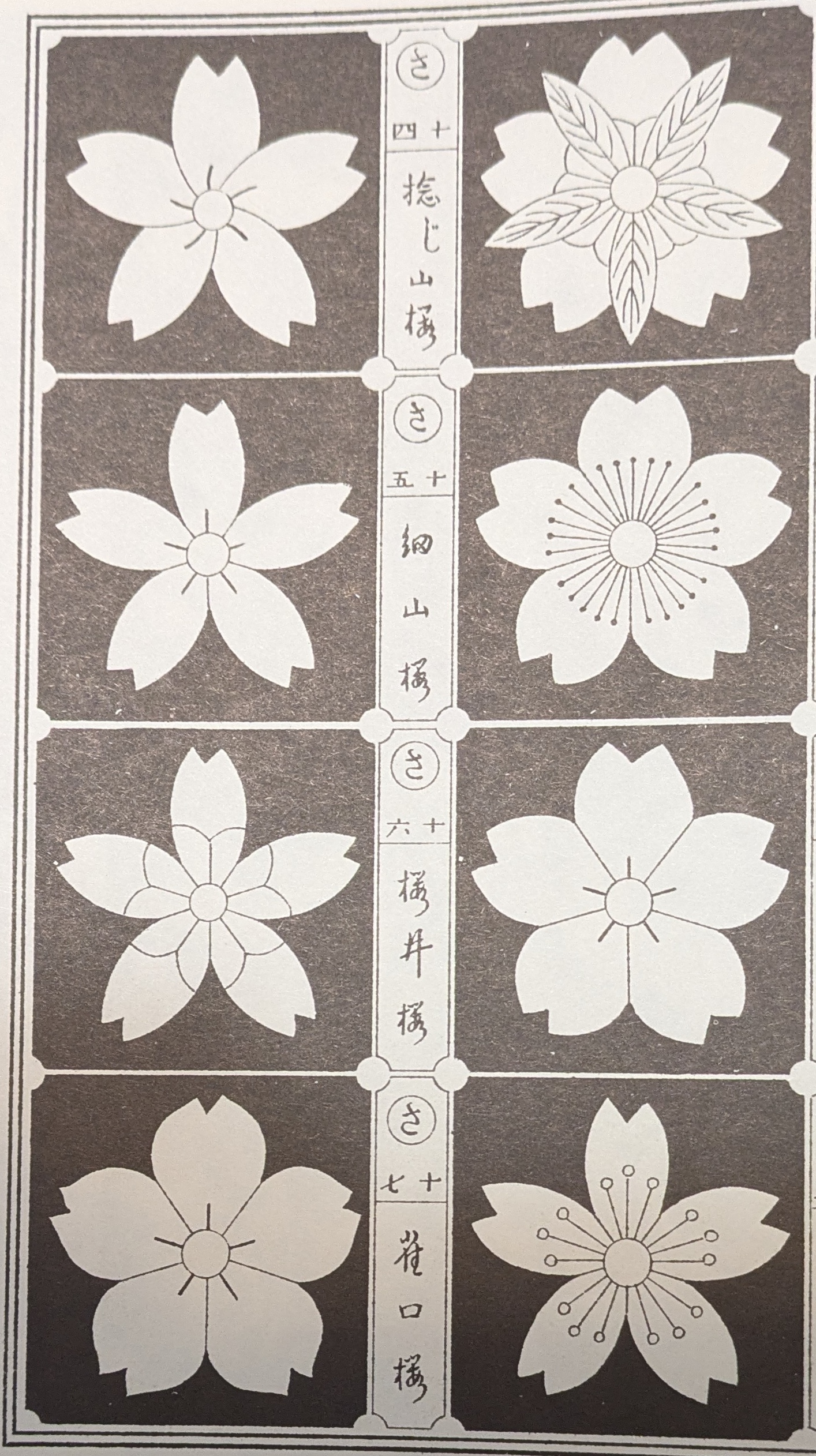
Japanese Family Crests Using Sakura/Cherry Blossoms
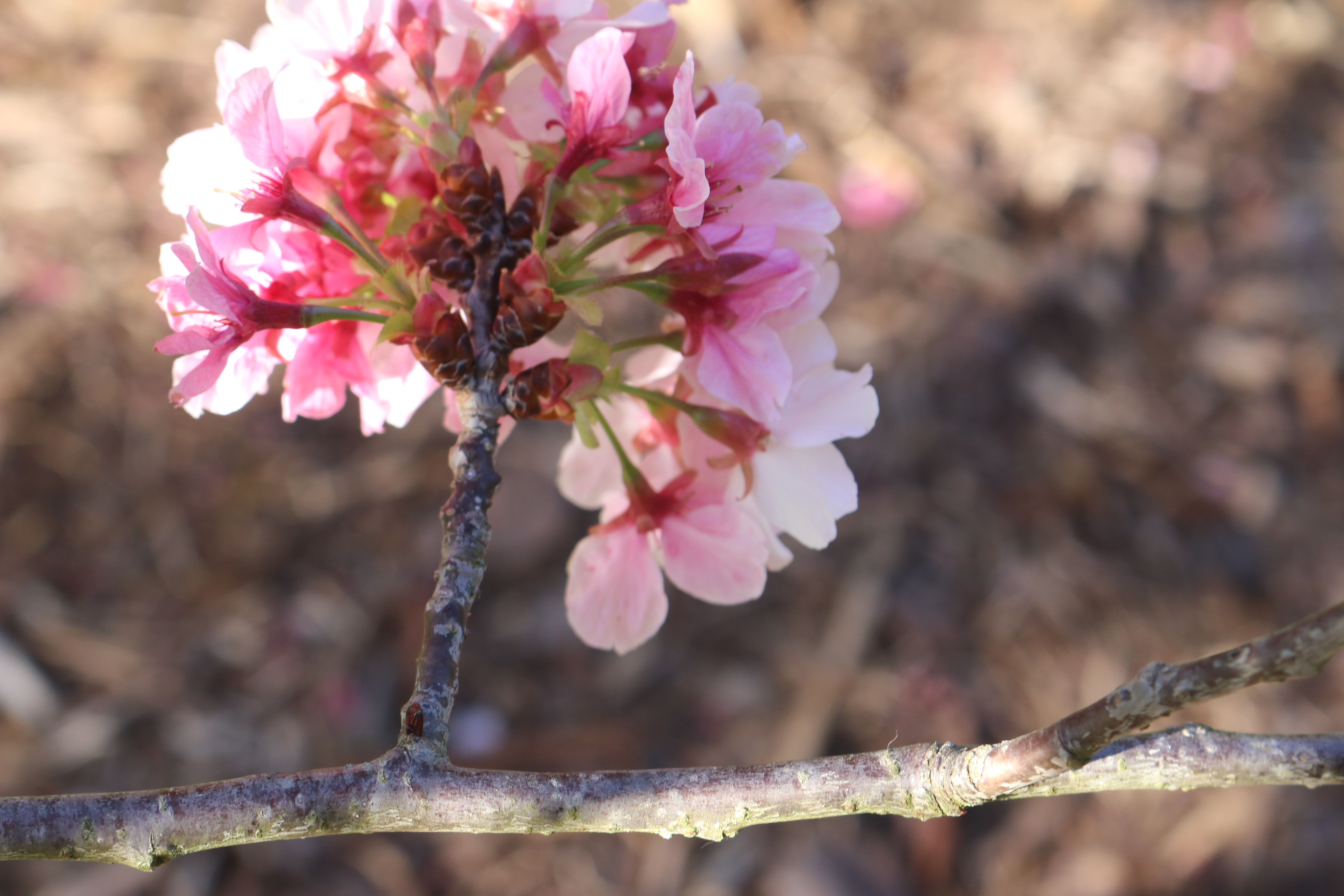
Cherry Blossoms Blooming at South Coast Botanic Garden
Japanese Family Crests with Plum Blossoms
Star Trek: Starfleet Academy Opening
 Age of the Geek